


 82 / 148

80
Hyprop Investments Limited
Integrated annual report and consolidated financial statements
2017
Remuneration
review
Philosophy
As an internally managed REIT, the guiding principle of our remuneration policy is to promote delivery of Hyprop’s strategic objectives, encourage individual
performance and reward sustainable value creation. Our philosophy emphasises the role of our employees in building long-term sustainable value through
fair and balanced remuneration.
Hyprop’s success depends on attracting and retaining talented, experienced and motivated individuals who can execute our business strategy to achieve
our vision and mission. We use both short and long-term incentives to support this goal.
Remuneration policy key principles
■■
Ensure remuneration policies and practices are aligned with company strategy
■■
Attract and retain talented, experienced and motivated individuals who can execute business goals
■■
Salary structures and policies are linked to performance objectives that support sustainable long-term growth
■■
Long-term incentives are aligned to the strategic objectives of the board and investment interests of shareholders, over a sustained period.
The remuneration committee
A formal charter codifies the tasks and responsibilities of the remuneration committee. Updates to the remuneration charter to effect application of the
recommendations of the King IV report, or other identified good practice, are approved as required.
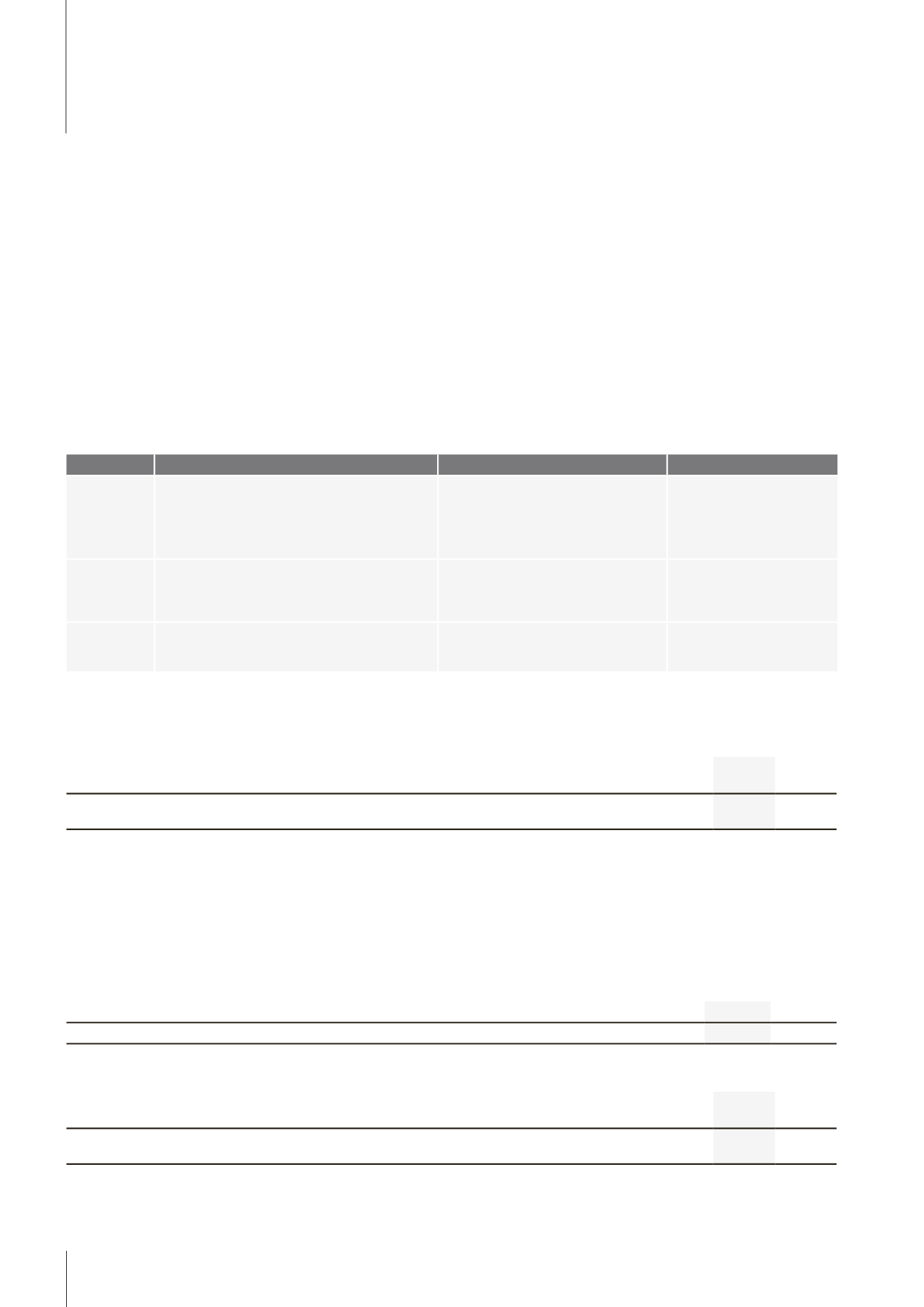
Hyprop’s remuneration structure includes:
Element
Policy
Structure
Participation
Base salary
Provide a market-related level of base pay with due
regard to the responsibilities of the job.
Benchmarked against industry norms and adjustments
based on an employee’s experience, qualifications and
nature of work.
Review annually with increases effective
from 1 January
Junior, middle and senior
management, executives and
executive directors
Short-term
incentive
Short-term incentives align with the group’s annual
performance strategy to support employee retention.
Performance reviews are weighted against key
performance deliverables (KPDs).
KPDs measured against set benchmarks on
property and company level for the year.
Bonus paid in December.
Junior, middle and senior
management, executives and
executive directors
Long-term
incentive
scheme
Attract, motivate and retain executives, senior
managers and employees with specific core, critical
and/or strategic skills.
Conditional Unit Plan.
Two components: 70% performance based,
30% retention based.
Senior management, executives
and executive directors
Basic salary
All basic salaries are market related, benchmarked against median industry norms and adjusted based on an employee’s experience, qualifications,
responsibilities and nature of work. Basic salaries are reviewed annually.
Total compensation paid to employees
(1)
2017
R000
2016
R000
Total compensation paid
93 910
84 835
Average annual payment per employee
340
306
(1)
Excludes executive directors
Employees earning above the Basic Conditions of Employment Act (BCEA) threshold received an average 6% annual salary increase from 1 January 2017.
Employees earning below this BCEA threshold received an average 7% salary increase from 1 January 2017. The minimum cost to company paid to the lowest
paid employees increased from R77 400 to R99 500 per annum.
Employee benefits
To define Hyprop as a preferred employer, we offer a range of employee bene ts that exceed legislated minimum standards, they include:
■■
Membership of a de ned contribution pension fund with death, disability and funeral bene ts
■■
Four months’ partially paid maternity leave (paid at 50% of cost to company)
■■
Annual leave rises to 20 days after ve years’ consecutive service with the group
■■
Employees qualify for six days’ paid study leave for approved quali cations.
2017
2016
Ratio of average compensation paid to executive directors relative to average compensation paid to employees, excluding LTI and STI
9,53
10,28
Short-term incentive (STI)
Total short-term incentives paid to employees
2017
R000
2016
R000
Total bonuses paid to employees
25 980
23 884
Average bonus per employee
94
86
Two components are considered when determining the employee’s STI, namely key performance deliverables and targets (KPDs), measured biannually and
individual performance reviews, conducted annually. The employee’s level of responsibility and job grade determines the weightings allocated to each area
of assessment.