Stakeholder engagement
Stakeholder engagement, issues and concerns
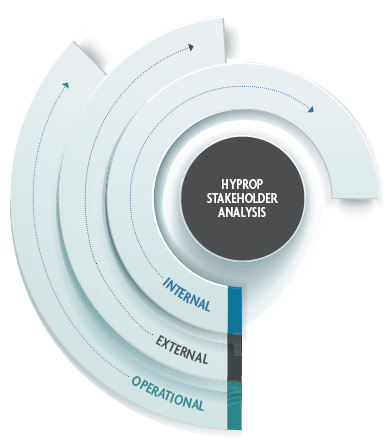
Key stakeholders in our group are shown below. For a fuller understanding, we have included ongoing material issues, and summarised new
issues that arose during the reporting period.
 |
New issues in 2014
Tenants: Tenant mix improvement, initiatives to enhance the shopping
experience and attract shoppers, slowdown in consumer spend,
increased competition, exclusivity clauses
Investors and financiers: Impact of slower consumer spend on tenants,
impact of online shopping, impact of rising interest rates on cost of
funding, increased competition from new developments close to our
shopping centres, exposure to the rest of sub-Saharan Africa
Suppliers: Lack of skills affecting their ability to deliver service
Industry associations: Introduction of new legislation, exclusivity clauses. |
| |
|
 |
|
|
|
|
Government, regulators: Employment
equity, environmental impact,
resource scarcity, taxation,
compliance, adherence to the
JSE Listings Requirements, and
company legislation
Local communities: Socio-economic
development, environmental
impact, responsible corporate
citizenship
Industry associations: Global and
local industry trends, sector
expertise, collective lobbying,
sector-specific issues |
|
Investors: Distribution growth,
strategy execution, portfolio
growth, capital appreciation,
accessibility of leadership, timely
information on key developments,
exposure to Africa, succession,
governance
Financiers: Solvency and liquidity,
timeous servicing of debt,
portfolio value, credit rating
Suppliers: Timely payment, fair
business practices |
|
Employees: Career development
and training, equity participation
Tenants: Rental escalation, rising
operating and municipal costs,
location in mall, cleanliness,
security, maintenance, tenant
mix, communication, supply of
electricity
Shoppers: Access to shopping
centre, cleanliness, maintenance,
the role of security, retail and
entertainment offering |
STAKEHOLDER GROUP
ISSUES AND
CONCERNS |
|
NEW ISSUES IN FY14 |
|
MATERIALITY
OF ISSUE |
|
HOW WE ENGAGE |
Investors
 |
Distribution growth |
|
Strategy execution |
|
Portfolio growth |
|
Portfolio growth |
|
Capital appreciation |
|
Accessibility of leadership |
|
Timely information on key developments |
|
Investment in Africa |
|
Succession |
|
Governance |
|
|
|
Impact of slower consumer spend on our tenants |
|
Impact of online shopping |
|
Impact of rising interest rates on our cost of funding |
|
Increased competition from new developments close to our portfolio |
|
Exposure to the rest of sub-Saharan Africa |
|
|
|
Moderate |
|
Low |
|
Moderate |
|
Moderate |
|
Moderate |
|
|
|
Dedicated investor centre on website, with current and historical information |
|
Announcements published on SENS and our website |
|
Integrated report |
|
Rating agency reports available on our website |
|
Financial results posted to shareholders |
|
Executive directors and senior management available to answer queries from stakeholders at all times and meet regularly with industry analysts |
|
Dedicated investor relations executive |
|
Regular engagement with financial media |
|
Biannual presentations of financial results, one-on-one interactions, press announcements, investor conferences and non-deal roadshows |
|
Investor polls |
|
Site visits |
|
Moderate |
|
|
|
|
|
|
|
|
Financiers
|
Solvency and liquidity |
|
Timeous servicing of debt |
|
Portfolio value |
|
Credit rating |
|
|
|
Impact of slower consumer spend on our tenants |
|
Impact of rising interest rates on our cost of funding |
|
Exposure to the rest of sub-Saharan Africa |
|
|
|
Moderate |
|
Moderate |
|
Moderate |
|
|
|
Proactive and transparent engagement with financial institutions |
|
Regular and transparent engagement with rating agency |
|
|
|
|
|
|
|
|
Industry associations
|
Global and local industry trends |
|
Sector expertise |
|
Collective lobbying |
|
Sector-specific issues |
|
|
|
Introduction of new legislation |
|
Exclusivity clauses |
|
|
|
Moderate |
|
High |
|
|
|
Hyprop communicates with this stakeholder group as a member of industry associations and organisations: |
|
South African REIT Association (REITs South Africa) |
|
South African Council of Shopping Centres (SACSC) |
|
South African Property Owners Association (SAPOA) |
|
Green Building Council of South Africa (GBCSA) |
|
|
|
|
|
|
|
|
Employees
|
Career development and training |
|
Equity participation |
|
|
No new issues
|
Career development and training |
|
Equity participation |
|
|
|
Moderate |
|
Moderate |
|
|
|
Ethics hotline |
|
Intranet and “you got mail” internal mailing system |
|
Notice boards |
|
Quarterly newsletter |
|
HR executive has one-on-one meetings with all employees biannually at each management office |
|
Regular employee forums |
|
Employee self-service portal |
|
Annual performance reviews |
|
Accessible leadership |
|
Participation in company-endorsed and sponsored charitable events.  CSI table CSI table |
|
|
|
|
|
|
|
|
Tenants
|
Rental escalation |
|
Rising operating and municipal costs |
|
Location in mall |
|
Cleanliness |
|
Security |
|
Maintenance |
|
Tenant mix |
|
Communication |
|
Supply of electricity |
|
|
|
Tenant mix improvements |
|
Initiatives to enhance the shopping experience and attract shoppers |
|
Slowdown in consumer spend |
|
Increased competition |
|
Exclusivity clauses |
|
|
|
|
|
Hyprop’s marketing managers based at each centre are the primary point of contact with tenants |
|
Communication also takes places via duty managers, SMS, email, newsletters, regular one-on-one meetings, tenant polls and audits, security and safety meetings, marketing workshops |
|
Canal Walk hosts the annual Retail Excellence Awards |
|
General tenant meetings take place twice a year |
|
Executive engagement when issues affect the entire portfolio, for example exclusivity clauses |
|
|
|
|
|
|
|
|
Shoppers
|
Access to shopping centre |
|
Cleanliness |
|
Maintenance |
|
The role of security |
|
Retail and
entertainment offering |
|
|
|
Presence of new and
international brands |
|
Social media |
|
|
|
|
|
Centre management communicates with shoppers via advertising, in-centre posters, telephonic research, focus groups, feedback forms, websites, radio, local and daily newspapers, information emailers and newsletters, competitions and social media platforms such as Facebook, Mxit and Twitter and smartphone apps |
|
Shoppers send comments or complaints via
each centre’s website, Facebook page, Twitter
account or feedback forms and these are
addressed by centre management |
|
Centres also undertake third-party retail market
studies and focus groups aimed at identifying
target markets, area demographics, shopper
desires and new shopper and lifestyle trends, as
well as shoppers’ opinions |
|
A particularly successful initiative was launching
high-speed wi-fi at Canal Walk. This was free to
the end of January 2014, and now the first
half-hour is free. We are rolling out the feature
across the portfolio |
|
|
|
|
|
|
|
|
Suppliers
|
Timely payment |
|
Fair business practices |
|
|
|
Lack of skills affecting their ability to deliver service |
|
|
|
Moderate |
|
|
|
Hyprop and its centres regularly communicate with their
suppliers via email, face-to-face meetings and monthly
reports |
|
|
|
|
|
|
|
|
Local communities
|
Socio-economic development |
| |
Environmental impact |
|
Responsible corporate citizen |
|
|
|
No new issues |
|
Fair business practices |
|
|
|
Low |
|
Fair business practices |
|
|
|
Shopping centres sponsor and promote community
events and organisations, and support local charities.
This includes providing free promotional space.
Communication takes place via community newspapers,
radio and partnerships with local schools and other CSI
projects. |
|
The Hyprop Foundation centralises our social
investments projects and is funded by a
concept known as “care share”.  page 44 page 44 |
|
|
|
|
|
|
|
|
National government,
provincial government
and municipalities
|
Employment equity |
|
Environmental impact |
|
Resource scarcity |
|
Taxation |
|
Legislative and regulatory compliance |
|
|
|
No new issues |
|
Fair business practices |
|
|
|
Low |
|
Fair business practices |
|
|
|
Hyprop meets regularly with regulatory authorities
including the SAPS, Business Against Crime, Roodepoort
Chamber of Commerce and ward counsellors, and
engages with relevant stakeholders through SAPOA. |
|
We also comment on legislation when appropriate. |
|
|
|
|
|
|
|
|
Regulators
|
Adherence to listing
requirements, including
rules specific to REITs
in South Africa, and
related regulation |
|
Adherence to
company legislation
 page 66 page 66 |
|
Compliance with laws,
rules, codes and
standards page 66 |
|
|
|
Introduction of new legislation |
|
|
|
Moderate |
|
|
|
SENS announcements |
|
Meetings with JSE |
|
Engagement with sponsor |
|
Legal executive and company secretary remain
abreast of developments |
|
Adhere to Competition Commission protocols
and procedures |
|
|
